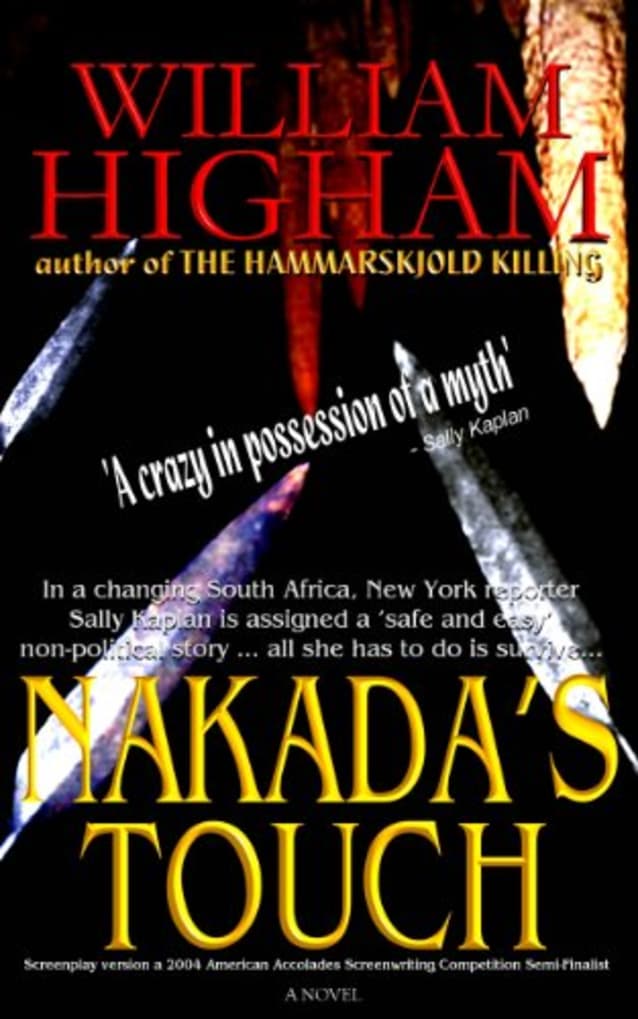
William Higham (no middle name) was born in England but grew up in Southern Rhodesia, now Zimbabwe. At Churchill High School he was a Rhodes Trustee prizewinner in English Composition (Creative Writing) and in 2009, two of his African-themed novels, Nakada's Touch and The Hammarskjold Killing, were collected in NELM (National English Literary Museum), an affiliate of South Africa's prestigious Rhodes University and Higham was designated a 'Southern African writer'.
Yet he admits he's a guy who lives with his 'head in the clouds', who hopes one day people might say, ‘Hey, ain’t he the dude who created the Spiritic futuristic sci-fi books about 170 years ago? Guess what? They’re coming true.’
Enough with wishful thinking, already, here’s a true and somewhat rambling oldie-timey bio on novelist William Higham, born in Lancashire, northwest England, of Anglo-Saxon, Jewish, Northern Irish, Norman, Scottish, and Spanish Gypsy blood, smack-dab in the middle of World War II (1942), but grew up in Africa, as earlier stated.
In 1961, as a trainee radio technician, he served his national conscription as an aircraftsman in the Royal Rhodesian Air Force where, he says, they needed ‘some idiot’ to drive across the airfields every day to check battery acids in the night-landing radio transmitter shacks, BABS (Beam Approach Beacon Systems).
Later, in England, he took a photographic course at Blackpool’s Technical College, worked in a London restaurant, and returned to Africa in 1964, slap-bang into unrest stepped up by Southern Rhodesia’s 1965 Unilateral Declaration of Independence (UDI) from Britain.
There, a three-year stint as a Salisbury City firefighter, working 84 hours-a-week in a country wracked by a national state of emergency, UN trade sanctions, and the start of the Chimurenga War in 1966, did not pan out for him — not with sleep deprivation, job stress, brutal hours, and half bricks thrown by rioters, it didn’t.
Add a family crisis or two in 1967 and he tottered out of Fire just short of age twenty-five, somewhat the worse for wear, yet managed to recover fast and take on the commercial world.
Backed by family money, he started a restaurant, sold it for a small profit to join the launch of Rhodesian Sports, an ill-fated monthly magazine (victim of the country's economic crisis) as a director/assistant editor, and went on to study advertising with the UK’s School of Careers, while traveling Rhodesia as a technical salesman for the giant Lever Bros. industrial division.
In 1972, restless, and a happy bachelor pushing thirty, he quit Rhodesia for a showbiz gig in London (while he still had a figure for it, given in 1960 his Polytechnic art teacher had pressed him to pose nude for the life class) and joined an international exotic dancer, Lady Brigette, in a double act, The Paragons, with promised bookings from Paris and London.
Sadly, his mother’s death drew him back to war-torn Africa, where, after a second tour of duty in the now Rhodesian Air Force (having dropped the ‘Royal’ status post-UDI), he finally put his college photography training to good use and turned freelance photojournalist, covering the bush war for Rex Features, London, and INPRA, Cape Town. His work sold in 15 countries and was published twice in the International Yearbook.
Early this century, his screenplay adaptation of his South African-based novel Nakada’s Touch, was a semifinalist in the American Accolades Screenwriting Competition in California.
Today, retired as a News Corp copy editor (sub-editor) in Sydney, where he worked on the national daily newspaper, The Australian, he lives on a three-acre patch of forest in a Queensland valley dubbed Australia’s ‘Salad Bowl’. There, he writes screenplays and novels, eats lots of green stuff, washed down with red wine, and divides his time between Queensland and Tasmania.
Written by: Arbil (aka author)
Photo credit: Shonna Paroli
William Higham (no middle name) was born in England but grew up in Southern Rhodesia, now Zimbabwe. At Churchill High School he was a Rhodes Trustee prizewinner in English Composition (Creative Writing) and in 2009, two of his African-themed novels, Nakada's Touch and The Hammarskjold Killing, were collected in NELM (National English Literary Museum), an affiliate of South Africa's prestigious Rhodes University and...
This second edition - newly revised and expanded futuristic tale of the Spiritic - is now told in three illustrated Ebook volumes.
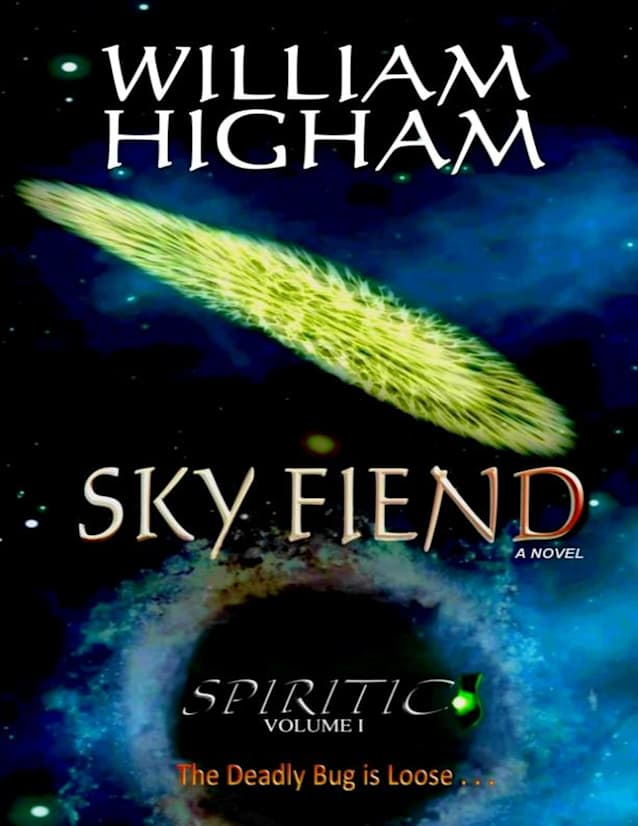
In Volume I – Sky Fiend, we journey from Numork, major homeworld of the Cronal Tura galaxy, to rescue abducted biologist and sports hero Dr. Rom Quanadeen, held captive in the distant Jupolian star system, a once...
This newly revised and expanded futuristic tale of the Spiritic is now told in three illustrated electronic volumes.
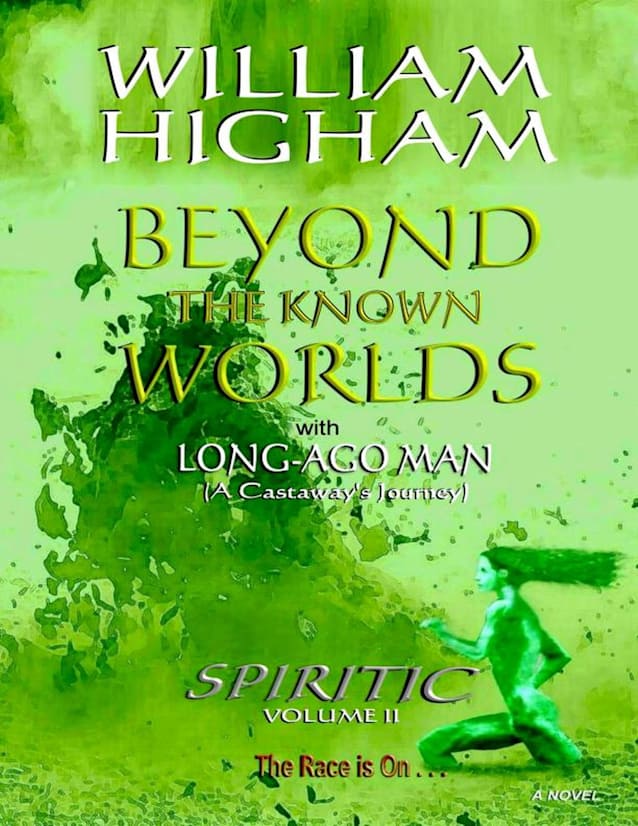
In Volume II - Beyond the Known Worlds, abducted Numorkian biologist and star marathon runner Dr. Rom Quanadeen crash-lands in a jungle on Jupol, a war-torn planet in an alien galaxy, with an injured Josi Talim, and the emulator...
This newly revised and expanded futuristic tale of the Spiritic is now told in three illustrated electronic volumes.
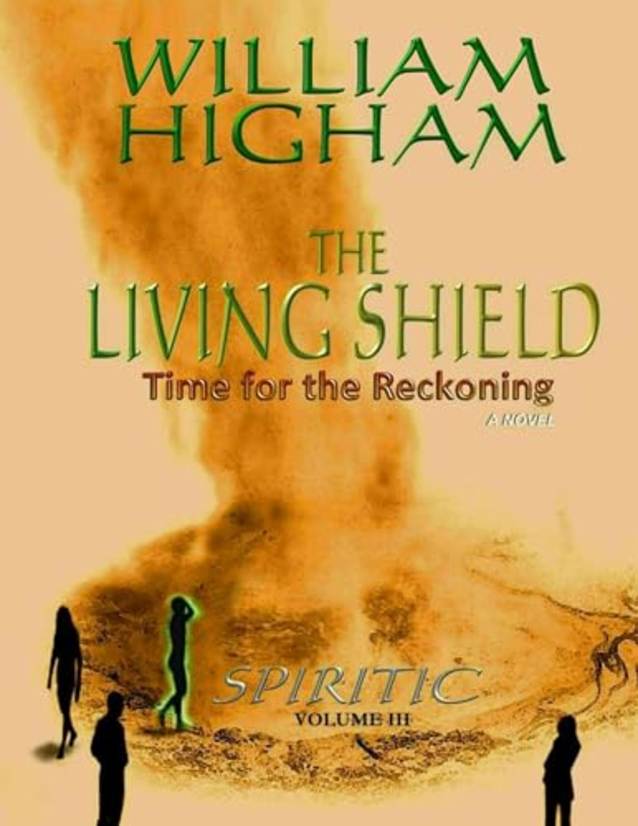
In Volume III - The Living Shield, the abducted half Earth-human, half Sed-Genal, Dr. Rom Quanadeen, is as mad as a cut snake. A pacifist on her homeworld, Numork, she didn’t ask for this fight on a war-torn alien planet, Jupol,...
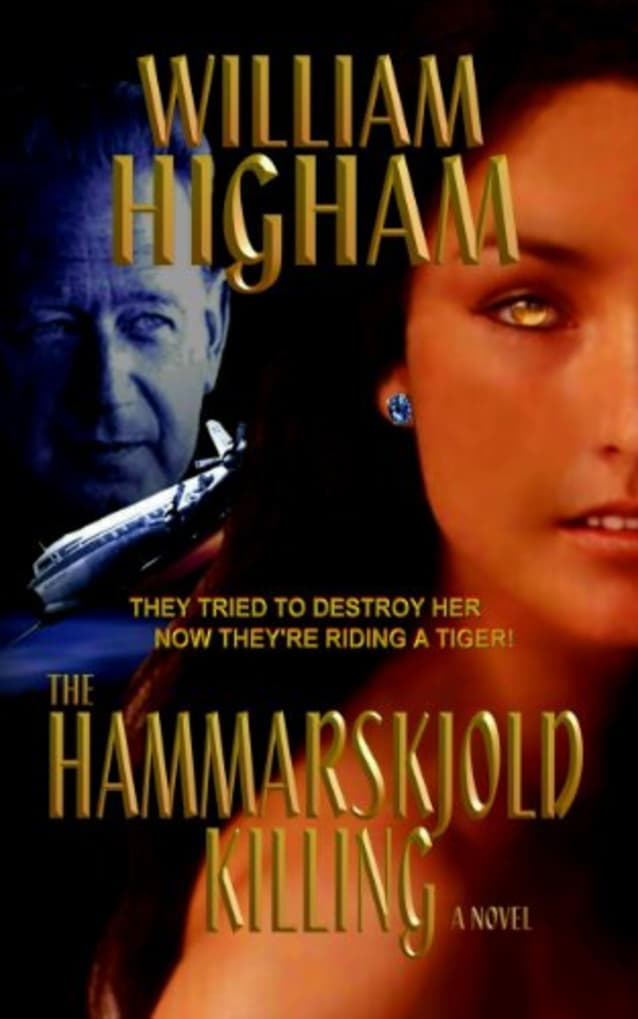
2006: Louis Montagne, a high-profile identity in Europe’s financial world, and a covert sponsor of the recent European-American Protocol against Terrorism, hears that a civilian EAPaT techno worker in Sri Lanka, Srian Davis, has evidence to link him with the 45-year-old mystery plane crash in Africa that killed U.N. Secretary-General Dag...
1990 - A watershed year in South Africa’s tempestuous history. Police emergency powers are lifting, apartheid laws are finally crumbling, and Nelson Mandela walks free after 27 years in detention. Into this volatile mix walks political journalist Sally Kaplan, a New Yorker on a working vacation in Natal’s Port Farewell. A risk-taker, her work...
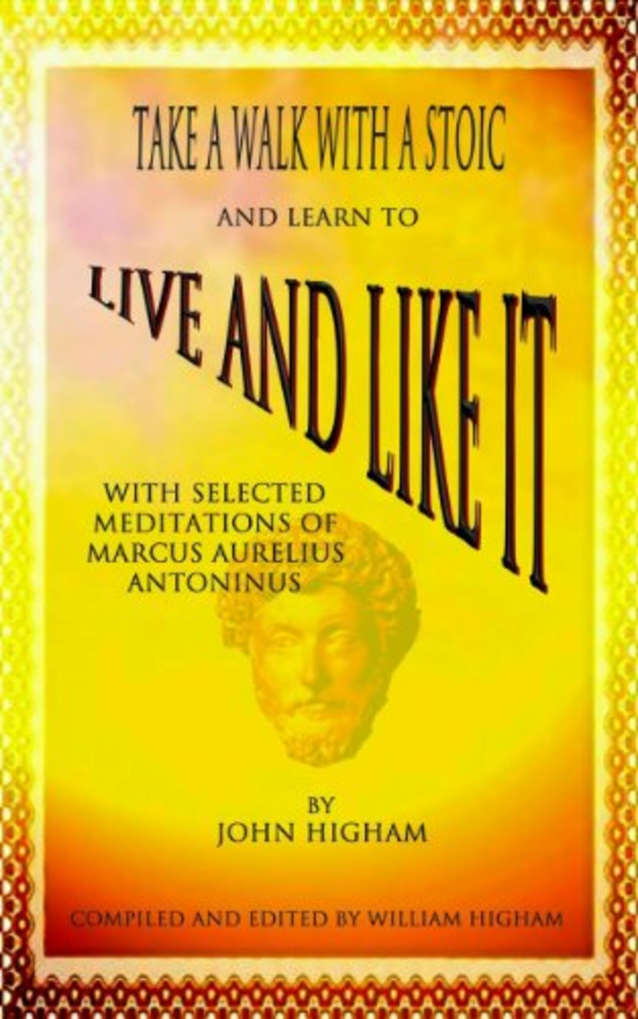
Few people have the ability to evaluate the problems of life and come to the right decisions, to realize the consequences of their actions and the effect they can have on the happiness or unhappiness of their lives. We tend to be slaves to the common myth that money and material possessions create happiness. It seldom works that way. We should...
This website uses essential cookies to ensure that it works properly.
I would also like to use analytics cookies to understand how you interact with the site.